THE LOOP
A cable around the room
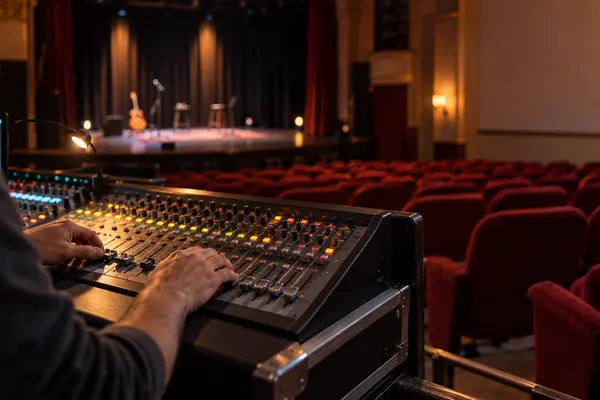
In a theatre, a loop of cable surrounds the seating area and carries the sound as a magnetic field. The feed comes from the microphones or the sound system.
How it works wirelessmixers
Start
WIRELESS SOUND FOR HEARING AIDS
A hearing loop sends sound to hearing aids without any radio at all.
A cable around a room, or a small pad under a counter, turns the sound from a microphone or a mixing desk into a magnetic field. A tiny coil inside a hearing aid, called a telecoil, picks it up, so the listener hears the speaker clearly instead of the room's noise and echo.
Tthe loop or telecoil setting
Check your deviceKeep in mind
THE SHORT ANSWER
No carrier, no radio signal.
Just audio current in a wire.
THE LOOP
In a theatre, a loop of cable surrounds the seating area and carries the sound as a magnetic field. The feed comes from the microphones or the sound system.
How it worksTHE LISTENER
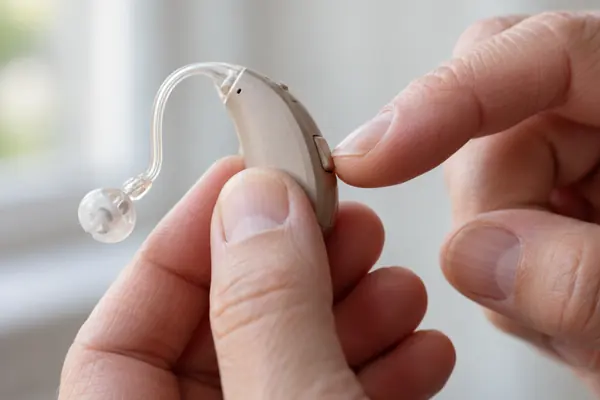
A hearing aid's telecoil turns the field back into sound. Users switch to the telecoil programme, also called the loop programme or T setting.
Check your deviceWHERE
Small loops suit reception desks, checkouts and ticket windows. Large-area loops serve theatres, cinemas, lecture halls and courtrooms.
Test a loopGeneral information only, not medical advice. For advice about your own health, speak to a doctor, pharmacist or other qualified health professional.
A QUICK DEVICE CHECK
Pick what you have. The bar shows how directly you can listen to a hearing loop with it.
Based on RNID's guide to using hearing loops in public venues. Your audiologist can tell you what your own device supports.
TWO NUMBERS WORTH KNOWING
One date from the history,
one figure from the standard.
1937
Year the first magnetic induction loop system was patented, in Britain
The telecoil is named after its early job: picking up the magnetic field from coils inside a telephone, so a hearing aid user could hear a call without background noise.
HISTORY
100mA/m
Average loop field strength behind today's performance standards
The aim is for sound from the loop to seem as loud as sound from the hearing aid's own microphone. IEC 60118-4 is now the main international specification.
FIELD STRENGTH
In Britain, BS 7594 gives non-mandatory guidance on designing and installing induction loops. A loop needs a proper loop driver amplifier; an unsuitable one can distort and cause radio interference.
HOW VENUES CHECK A LOOP
RNID says loops that seem broken are usually let down by something simple, like the system being switched off or a cable unplugged.

Step 1
Turn the loop listener's volume to minimum, plug in the headphones and switch it on.
Step 2
Hold the loop listener where the signal should be picked up, usually at head height.
Step 3
Ask someone to speak into the microphone, or play the CD player or media source that feeds the loop.
Step 4
Slowly raise the volume. Silence? Check cables, power, the gain controls and the listener's batteries. RNID suggests servicing a loop every 12 months.
WHY A LOOP CUTS THE NOISE
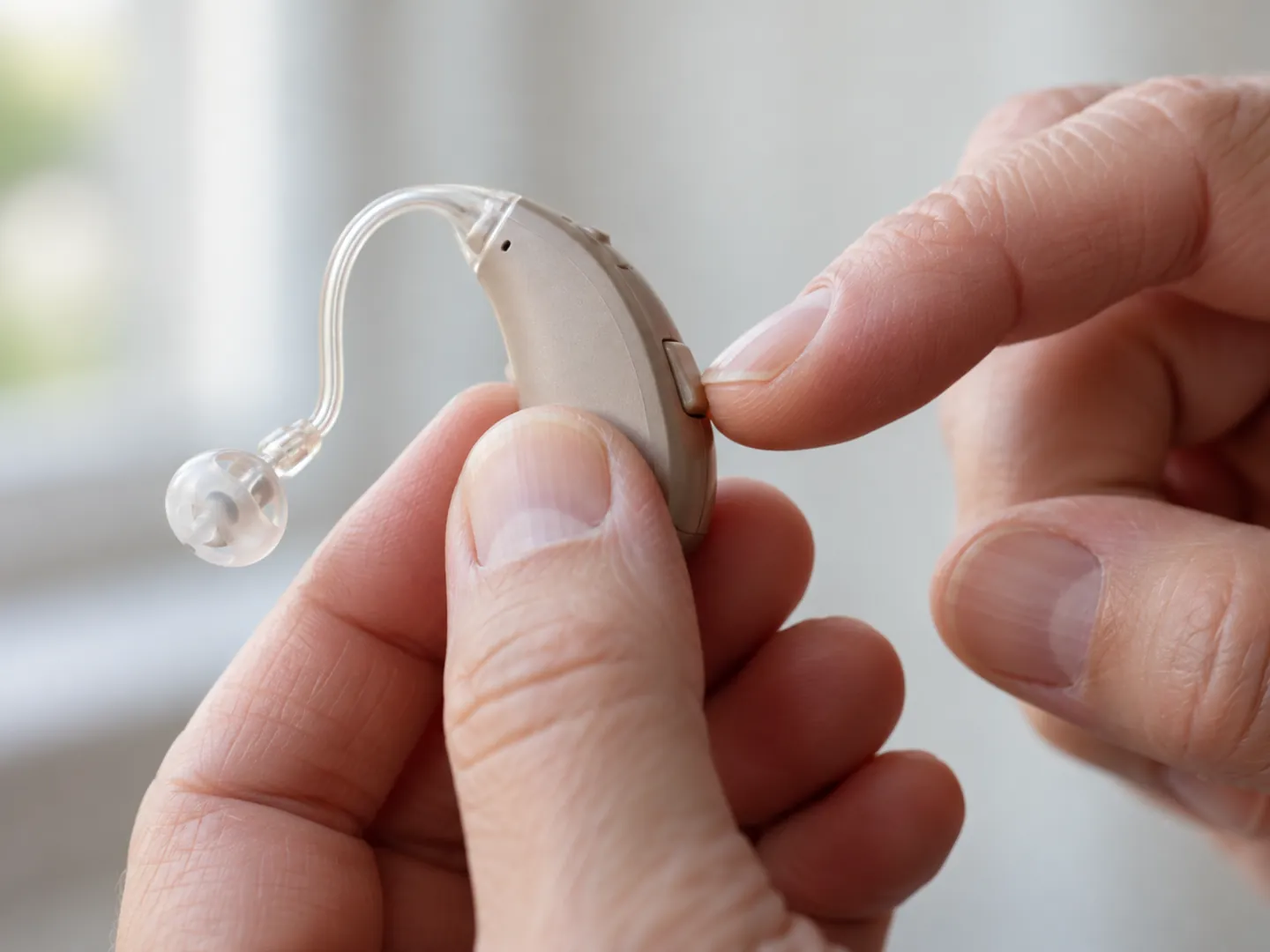
A loop carries ordinary audio-frequency current, with no radio carrier. The current in the cable makes a magnetic field across the looped space, and by Faraday's law of induction it creates a matching signal in the hearing aid's coil. RNID notes that the strength picked up depends on which way the telecoil faces.
Because the signal comes from the microphone or sound system, the listener gets the speaker or performance, not the chatter and echo of the room. For very large spaces, venues may use other assistive systems instead, such as radio-frequency or infrared systems.
Questions
It switches the hearing aid to its telecoil, a tiny coil of wire that turns a hearing loop's magnetic field back into sound. It is also called the loop or telecoil programme.
According to RNID, most hearing aids provided by the NHS have a telecoil built in, but an audiologist needs to set up the telecoil programme.
Look for the hearing loop sign, a stylised ear with the letter T. RNID notes that when a loop seems not to work, the cause is often simple, such as the system being switched off or a cable unplugged.
No. A loop uses magnetic induction from a cable carrying audio-frequency current, with no radio carrier, and works with any telecoil-equipped device.
Yes, with a loop listener: a small battery-powered receiver with a telecoil, a volume control and headphones.
Destination
ABOUT THIS NAME
wirelessmixers.com is part of the DoodleSale portfolio. It isn't in an auction right now, but you can ask about leasing it.